
Select your Location

Why Is Kolkata Biryani So Delicious?
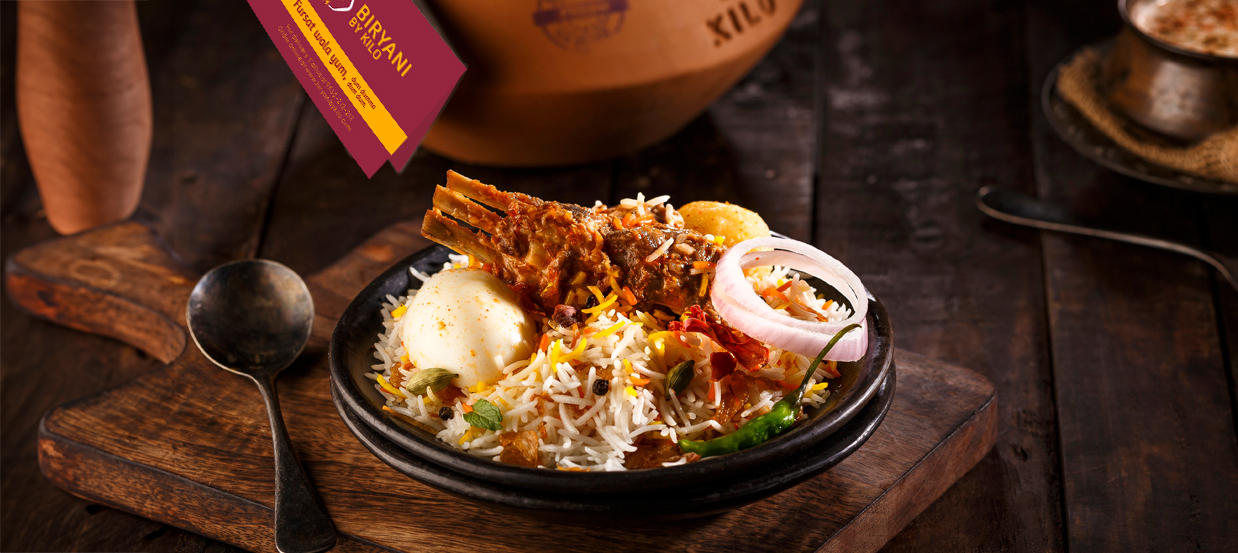
Biryani is one of the most loved Indian cuisines around the world. It is a flavourful, spicy, and savoury dish that uses different spices, vegetables, and meat to enhance the overall taste.
Some of the famous biryanis available across India include Hyderabadi biryani, Lucknowi biryani, Awadhi biryani, and Kolkata biryani. Each region offers something unique in its cooking style and taste. Hyderabadi biryani is spicy, while Kolkata-style biryani is subtle, aromatic, and light on spices.
In this blog, we are going to explore what makes Kolkata-style biryani so delicious and understand its origin, ingredients, and traditional cooking method.
What Is the Origin of Kolkata Biryani?
Kolkata biryani originated in the region of Kolkata, West Bengal. This biryani is known for being less spicy, more aromatic, and extremely balanced in flavour.
According to historical references, Nawab Wajid Ali Shah, the tenth ruler of Oudh (Awadh), introduced biryani to Bengal when he settled in Metiabruz, a locality on the outskirts of Calcutta. Over time, local ingredients and preferences shaped it into the iconic Kolkata biryani we know today.
Ingredients That Make Kolkata Biryani Unique
Kolkata chicken biryani is light, aromatic, and flavourful due to the careful selection of ingredients. Let’s take a closer look at what makes it special:
Delicate Blend of Spices: Kolkata biryani uses mild spices such as nutmeg, bay leaves, cinnamon, and cardamom. These spices are roasted in ghee, giving the biryani its subtle aroma without overpowering the dish.
The Iconic Potato: Potatoes were added to biryani as a cost-effective alternative to meat and later became its signature ingredient. They absorb flavours beautifully and add a soft, satisfying texture that complements the rice and meat.
Aromatic Elements: Ingredients like kewra water and rose water give Kolkata biryani its distinct fragrance. These are added towards the end of cooking to preserve their aroma and prevent bitterness.
Use of Mutton: Mutton is commonly used in Kolkata-style biryani. It is slow-cooked to ensure the meat becomes tender, juicy, and rich in flavour.
The Dum Pukht Cooking Method
The most traditional way of preparing Kolkata biryani is the dum pukht method. In this method, rice, meat, and spices are layered in a thick-bottomed handi, sealed with dough, and cooked slowly over a low flame.
Enhanced Flavour: Slow cooking allows the rice and meat to absorb the spices fully, resulting in a deeply aromatic biryani.
Soft and Tender Meat: The gentle heat ensures that the meat cooks in its own juices, making it exceptionally soft and flavourful.
Even Heat Distribution: The sealed handi ensures uniform heat, preventing the rice from burning or overcooking while preserving nutrients.
BBK – Experience Authentic Kolkata Biryani
Biryani By Kilo (BBK) is one of India’s most loved biryani brands since 2005, with a presence across 28 states and convenient doorstep delivery.
If you are searching for a famous biryani near me, BBK is the perfect choice. BBK offers one of the best Kolkata chicken biryani options at a reasonable price, cooked fresh in traditional handis.
Real & Authentic Taste: Aromatic rice, tender meat, perfectly balanced spices, and traditional dum cooking.
Multiple Options: Choose from chicken, mutton, or vegetarian biryani varieties.
Convenient Ordering: Easy delivery and takeaway options so you can enjoy biryani anytime.
Hygienic Preparation: Strict quality and safety standards ensure a delicious and safe dining experience.
Biryani By Kilo - Cities We are Serving
Quick Biryani Delivery Near You!
Amritsar
Agra
Bangalore
Bhopal
Bhubaneswar
Chandigarh
Durgapur
Dhanbad
Dehradun
Faridabad
Ghaziabad
Gwalior
Greater Noida
Gurgaon
Goa
Guwahati
Gorakhpur
Hyderabad
Indore
Jaipur
Jamshedpur
Jodhpur
Jalandhar
Kolkata
Kharar
Kanpur
Lucknow
Ludhiana
Mumbai
Mysore
Meerut
Mohali
Nagpur
New Delhi
Noida
Pune
Panchkula
Pimpri
Patiala
Patna
Ranchi
Raipur
Siliguri
Thane
Udaipur